"Mistaken for ordinary eczema, applying ointment never seemed to help." "The child kept sneezing and was treated for a cold for half a month." — In pediatric clinics across Zhongshan, such parents are not few. Little do they know, these recurring "minor symptoms" could be signals of childhood allergic diseases. Data shows that the prevalence of allergic rhinitis among children in China is 15%-20%, asthma over 3%, while the incidence of skin allergies like atopic dermatitis in infants and young children is as high as 30%. In the Zhongshan area, due to the humid climate and rich variety of allergens, childhood allergy issues are particularly prominent.
The harm of childhood allergies is far more serious than imagined. Huang Jianping, Medical Director of Beijing Eastern Children's Hospital, points out that untreated allergic asthma may lead to permanent lung function damage; children with long-term nasal congestion may develop mouth-breathing habits, subsequently affecting craniofacial development and intellectual growth; severe food allergies can even trigger anaphylactic shock, endangering life. More alarmingly, childhood allergies exhibit a "progressive development" characteristic: eczema in infancy may evolve into rhinitis during school age and ultimately develop into asthma, forming a hard-to-reverse "allergic march." Parental misconceptions exacerbate the problem further — mistaking rhinitis for a cold, discontinuing medication without authorization due to fear of steroid side effects, and blind dietary restrictions leading to nutritional imbalances in children. These actions all contribute to the recurrent aggravation of allergy issues.
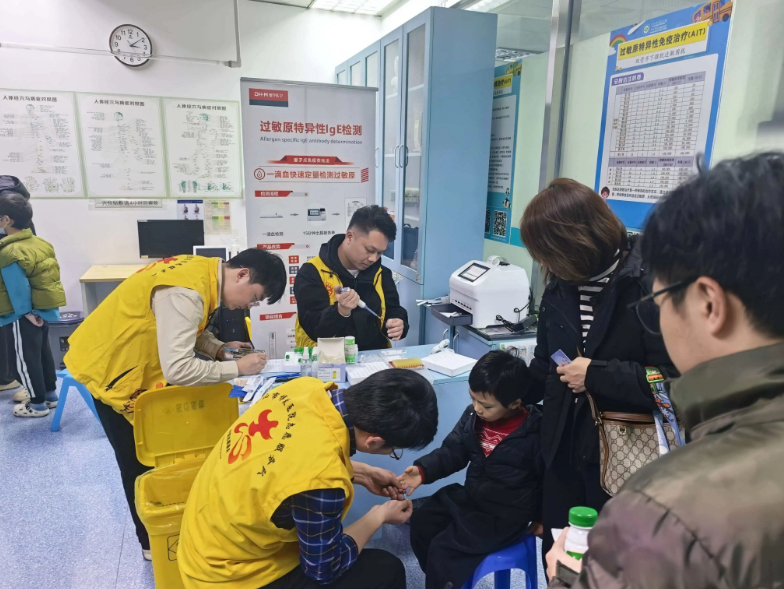
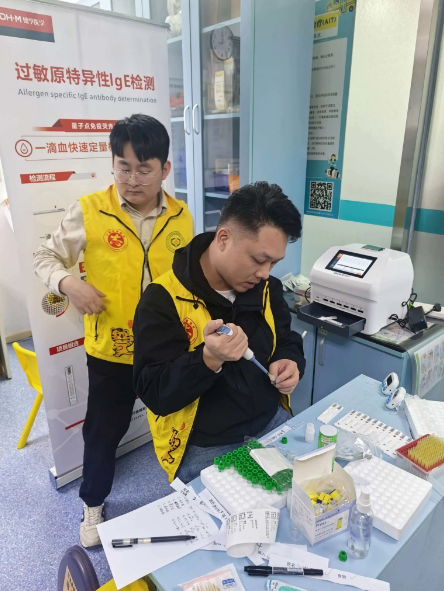
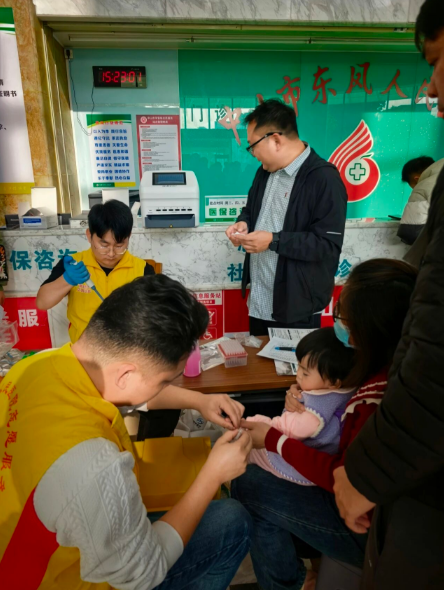
Benefit Alert! Deheng Medicine's Allergen Detection Mobile Charity Clinic Comes to Zhongshan! It is coming to Zhongshan Bo'ai Hospital and Zhongshan Dongfeng Town People's Hospital. Deeply understanding parents' anxieties and needs, Deheng Medicine, specializing in rapid allergen detection, is about to launch a pediatric mobile charity clinic campaign in the Zhongshan area of Guangdong. This charity event brings together professional physicians from fields such as allergic diseases and child healthcare, providing free allergy risk assessment and rapid allergen detection consultation for children aged 0-12. The event scene is expected to be bustling. On-site, participants can not only experience the convenience and efficiency of "one drop of blood rapid quantitative allergen detection" but also receive personalized allergy prevention guidance: from daily household dust mite removal techniques and dietary avoidance plans to symptom emergency management methods. It aims to comprehensively help parents tackle childhood allergy challenges, enabling every parent to "have clarity in mind and effective strategies in hand."
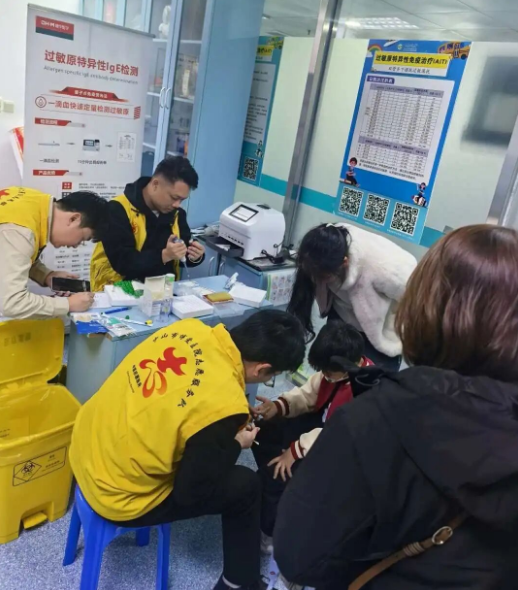
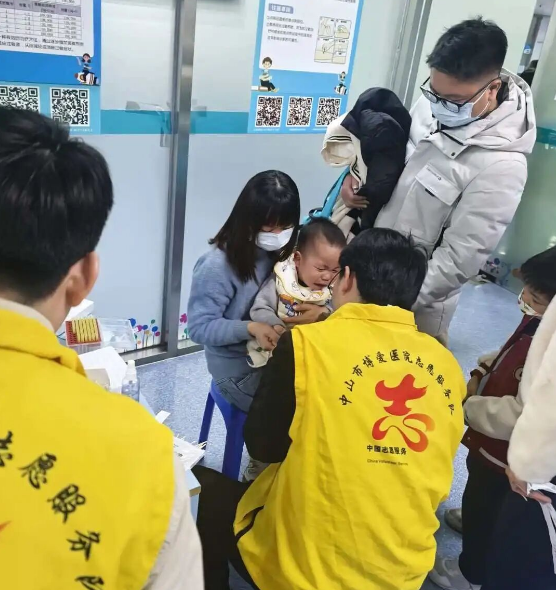
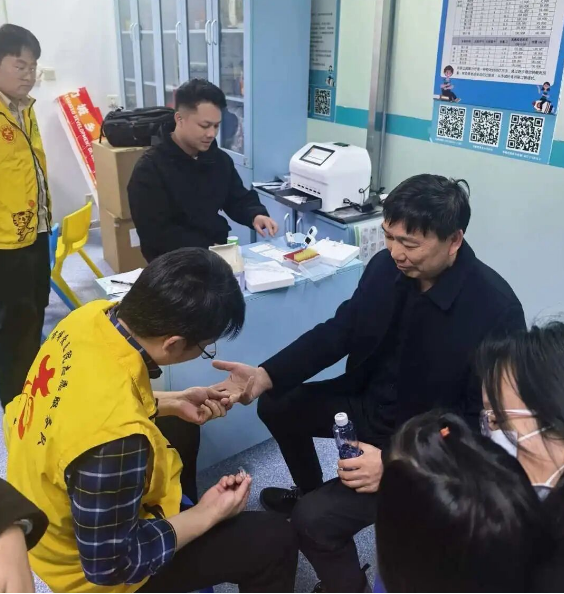
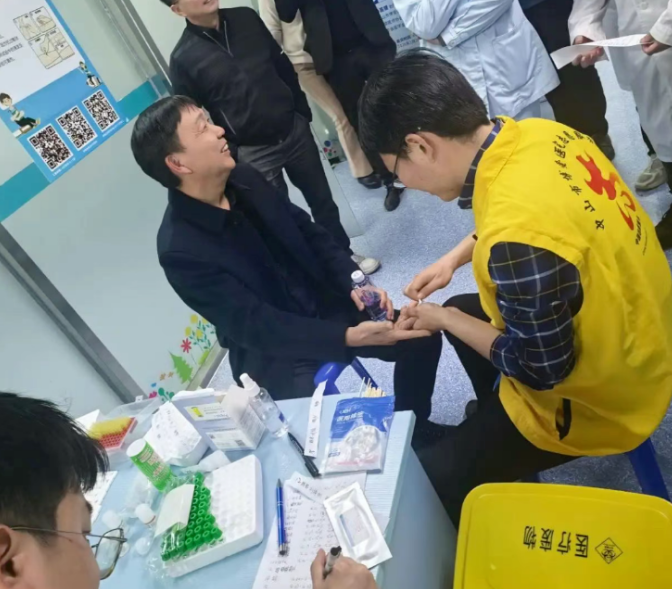
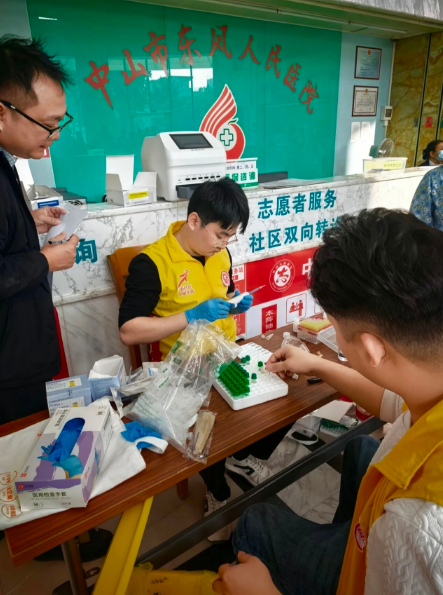
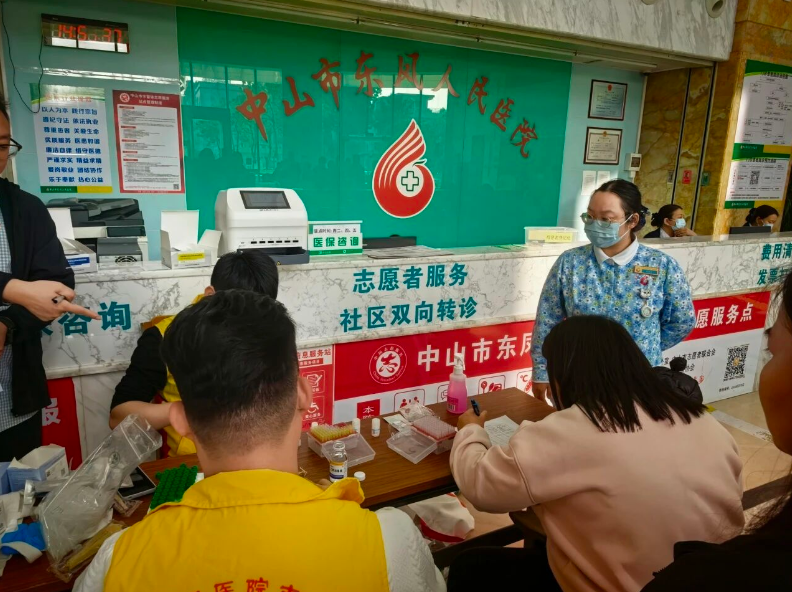
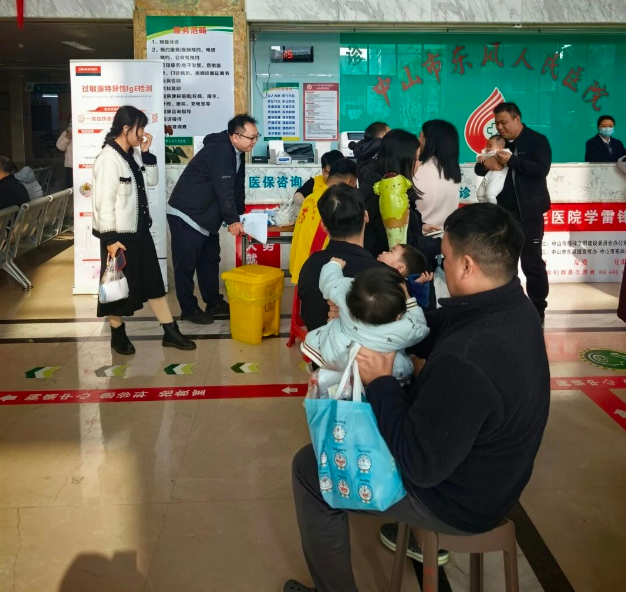
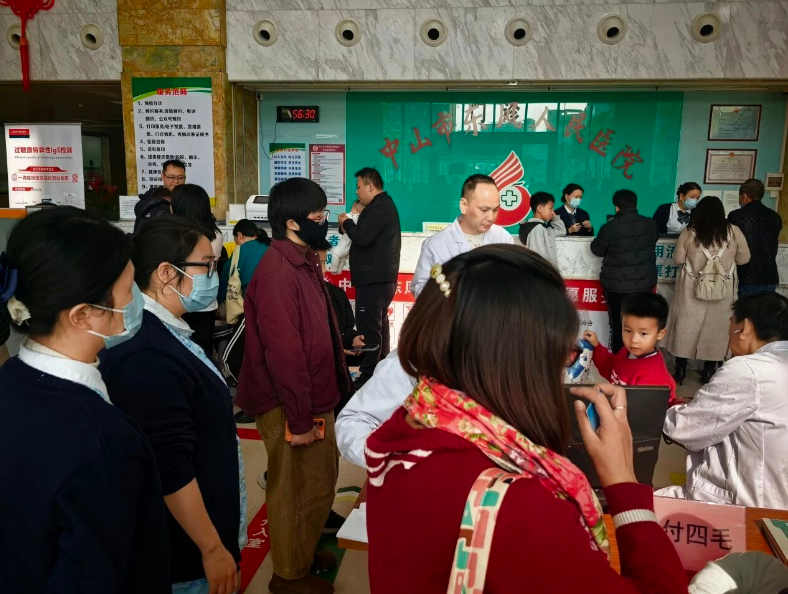
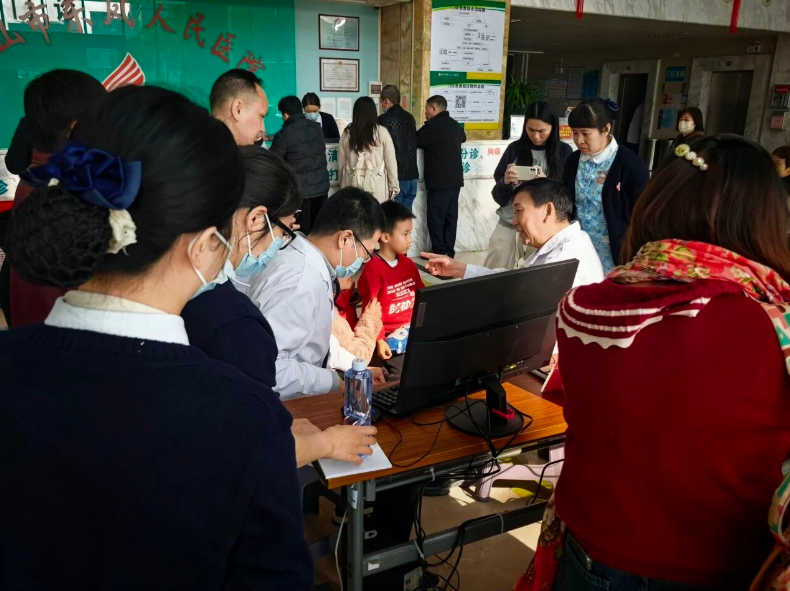
Precise Detection is Key to Prevention and Control. Why Do Traditional Methods Pose Difficulties for Parents? The core of allergy prevention and control is identifying the "culprit," yet traditional detection methods deter many families. Skin prick testing requires multiple punctures, causing children to cry, resist, and exhibit very low cooperation; ordinary venous blood drawing is not only more invasive but also requires waiting several days for results, delaying intervention timing. More importantly, qualitative detection can only determine "if there is an allergy" but cannot quantify the severity, making it difficult to provide doctors with a basis for precise treatment. This leads many children into a cycle of "repeated visits and ineffective treatment." For young children, the comfort and safety of the testing process are especially important. Infants under 2 years old, due to their immature immune systems, may exhibit more concealed allergy symptoms, such as diarrhea or slow weight gain, which can easily be misdiagnosed as digestive issues or common skin problems. The invasiveness and uncertainty of traditional testing cause many parents to miss the optimal intervention window while grappling with the dilemma of "whether to test or not."
One Drop of Blood, 15-Minute Rapid Quantitative Allergen Detection! Deheng Medicine Unlocks a New Approach to Childhood Allergy Testing! Addressing parents' pain points, Deheng Medicine brings an innovative solution — the "one drop of blood rapid quantitative allergen detection" technology, making childhood allergy testing safe, fast, and precise. Compared to traditional testing, this technology offers unparalleled advantages:
✅ Minimally Invasive and Painless, Easily Accepted by Children: Only requires a capillary blood sample, avoiding the trauma and fear associated with venous blood draw. Even young infants or those difficult to draw blood from can cooperate easily, fundamentally reducing children's resistance.
✅ Ultra-Fast Results, No More Long Waits: Test reports can be issued within 15 minutes. Compared to the days of waiting for traditional test results, this significantly shortens the diagnosis and treatment process, allowing parents to understand their child's allergy status immediately and avoid treatment delays.
✅ Precise Quantification, Guiding Scientific Intervention: Utilizing quantum dot immunofluorescence technology, it can not only identify allergen types (covering 26 common allergens like milk, dust mites, pollen) but also quantify antibody levels, clearly determining allergy severity and发作 probability. This provides a scientific basis for doctors to develop personalized treatment plans. For children with food allergies, it can especially help avoid blind dietary restrictions, enabling precise risk avoidance while ensuring nutritional balance.
✅ Block the Progression, Safeguard Long-Term Health: Through early and precise identification of allergens, it can effectively block the allergic development path of "eczema → rhinitis → asthma," reducing the risk of allergic diseases in adulthood and building a strong health barrier for growth and development.
Allergies Are Not Terrible; Blind Management Is. When children experience recurring symptoms like rashes, nasal congestion, or diarrhea, don't dismiss them as "minor issues" and delay action. Deheng Medicine empowers precise prevention and control with technology, making allergens无处遁形, allowing children's growth to have fewer troubles and more peace of mind.
 0531-87050686