




Popular Science on Pollen Allergens in Summer and Autumn: From Testing to Protection — A Complete Guide to Managing Allergy Seasons
2026.07.30 | 43
Every year as summer transitions into autumn, many people’s noses send out timely "alerts" — successive sneezes, constant runny nose, alternating eye itching and nasal congestion. Symptoms ease temporarily with medication, yet relapse once treatment stops. Some blame seasonal colds, others air conditioning drafts, yet few realize the real culprit likely lurks in the unremarkable weeds along roadsides.
The Main Culprits Behind Summer and Autumn Pollen Allergy
The primary triggers of pollen allergy in summer and autumn are weeds with inconspicuous flowers that spread pollen via wind. In China, the three major sources of allergenic pollen are Humulus scandens (July–September), Ragweed (August–September) and Mugwort (August–September). Their pollen grains are tiny, lightweight and produced in enormous quantities. Capable of drifting dozens or even hundreds of kilometres with wind, these highly allergenic pollens are the leading cause of seasonal allergic rhinitis.

What Symptoms Does Pollen Allergy Trigger?
Once inhaled, these pollens may cause a range of discomforts:
- Allergic Rhinitis: Nasal itching, paroxysmal continuous sneezing, profuse clear watery rhinorrhoea and nasal congestion. Children often exhibit repeated nose-rubbing behaviours.
- Allergic Conjunctivitis: Severe eye itching, lacrimation, red eyes and eyelid swelling, usually occurring alongside nasal symptoms.
- Upper Respiratory Tract Symptoms: Pharyngeal itching and irritating dry cough, worsening at night or early morning.
- Lower Respiratory Tract Symptoms: Chest tightness and shortness of breath. Patients with pre-existing asthma suffer aggravated wheezing, and severe cases may trigger acute asthma attacks.

Quantitative Allergen Detection with a Single Blood Test
If you develop allergic symptoms punctually every July to October, which are markedly relieved once you leave the local area, pollen allergy is highly suspected. Nevertheless, symptoms alone cannot confirm which pollen is responsible; scientific allergen testing is essential.
Allergy arises from abnormal activation of Immunoglobulin E (IgE). By testing IgE antibodies targeting specific allergens in blood, we can accurately identify the real trigger.
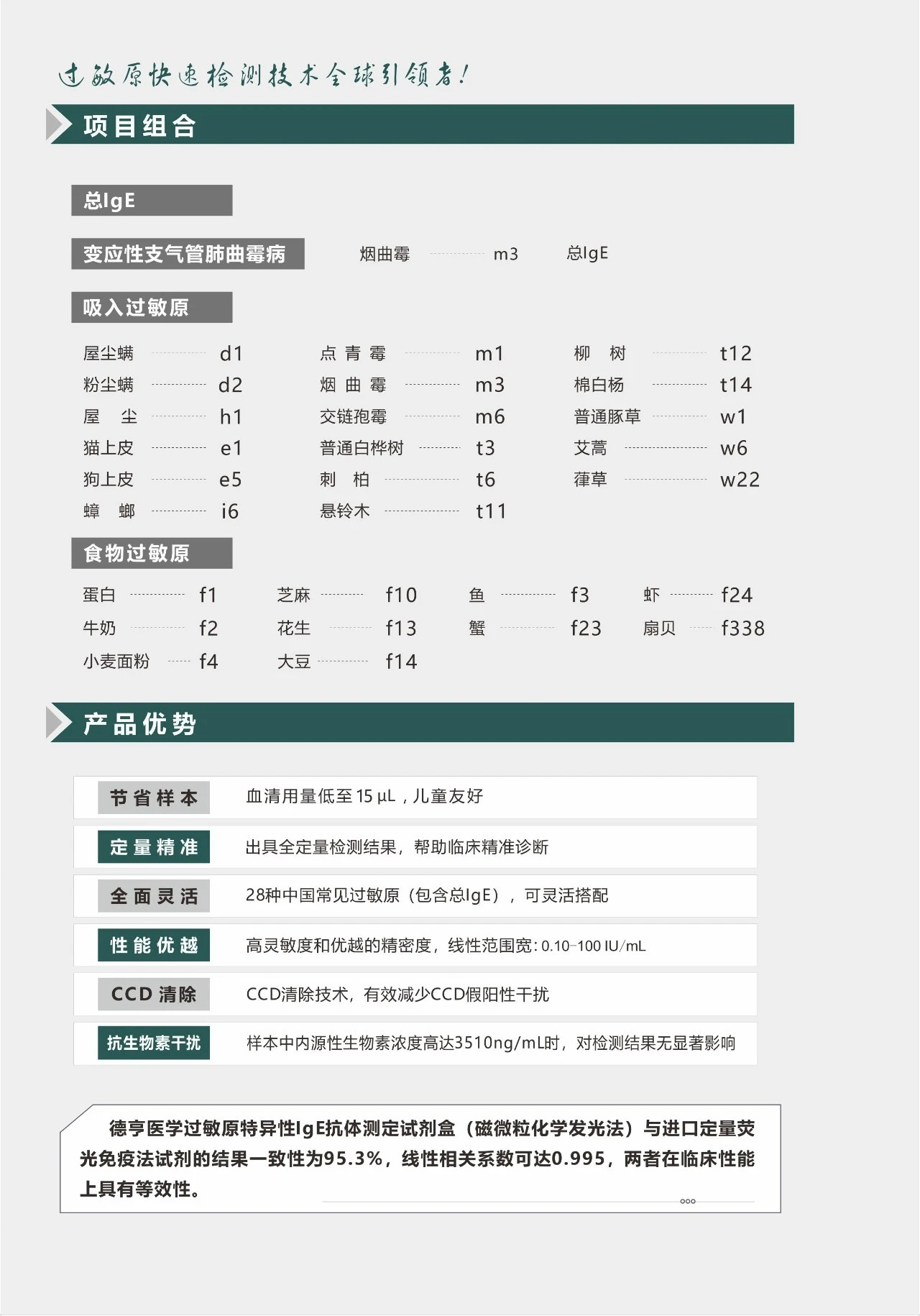
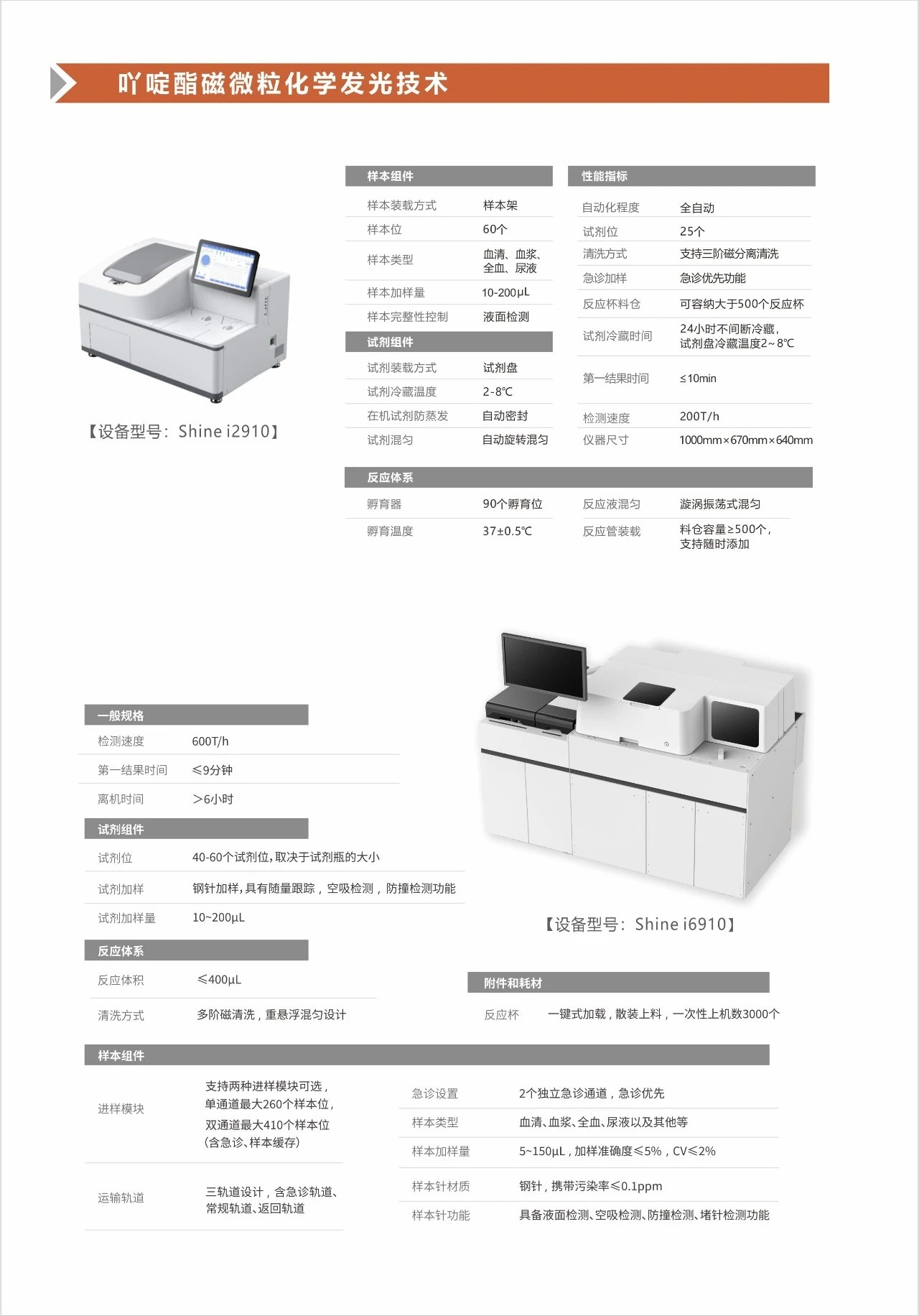
Deheng Medical’s specific IgE testing serves as an ideal solution, featuring three core advantages:
- Convenient sampling: Results remain unaffected even if anti-allergy medication is being taken. Skin prick tests are unnecessary for sensitive skin, eliminating extra discomfort.
- Objective outcomes: Direct quantitative measurement of blood specific IgE levels against pollens including Humulus scandens, ragweed and mugwort. It effectively reduces interference from false positive or false negative results for higher reliability.
- Wide applicable population: Safe testing available for special groups including children, pregnant women and the elderly, without age or physical restrictions.
Once allergens are accurately identified, the next question arises: how to implement scientific management after confirming the allergen. The three-step strategy — Avoidance, Protection, Medication — provides a systematic prevention and treatment plan tailored for you.
Scientific Prevention and Treatment of Pollen Allergy
The core strategy for pollen allergy can be summarised in three key actions: Avoid where possible; protect when avoidance fails; use medication if protection is insufficient.

Avoidance & Protection: Minimise allergen exposure and establish physical barriers
- Monitor pollen forecasts issued by local meteorological authorities. Reduce outdoor activities during high pollen concentrations, especially on sunny, dry and windy days.
- Clean promptly after going outdoors: wash face and hands, perform nasal irrigation, and change outer garments immediately upon returning home to prevent pollen from being brought into bedrooms and other living spaces.
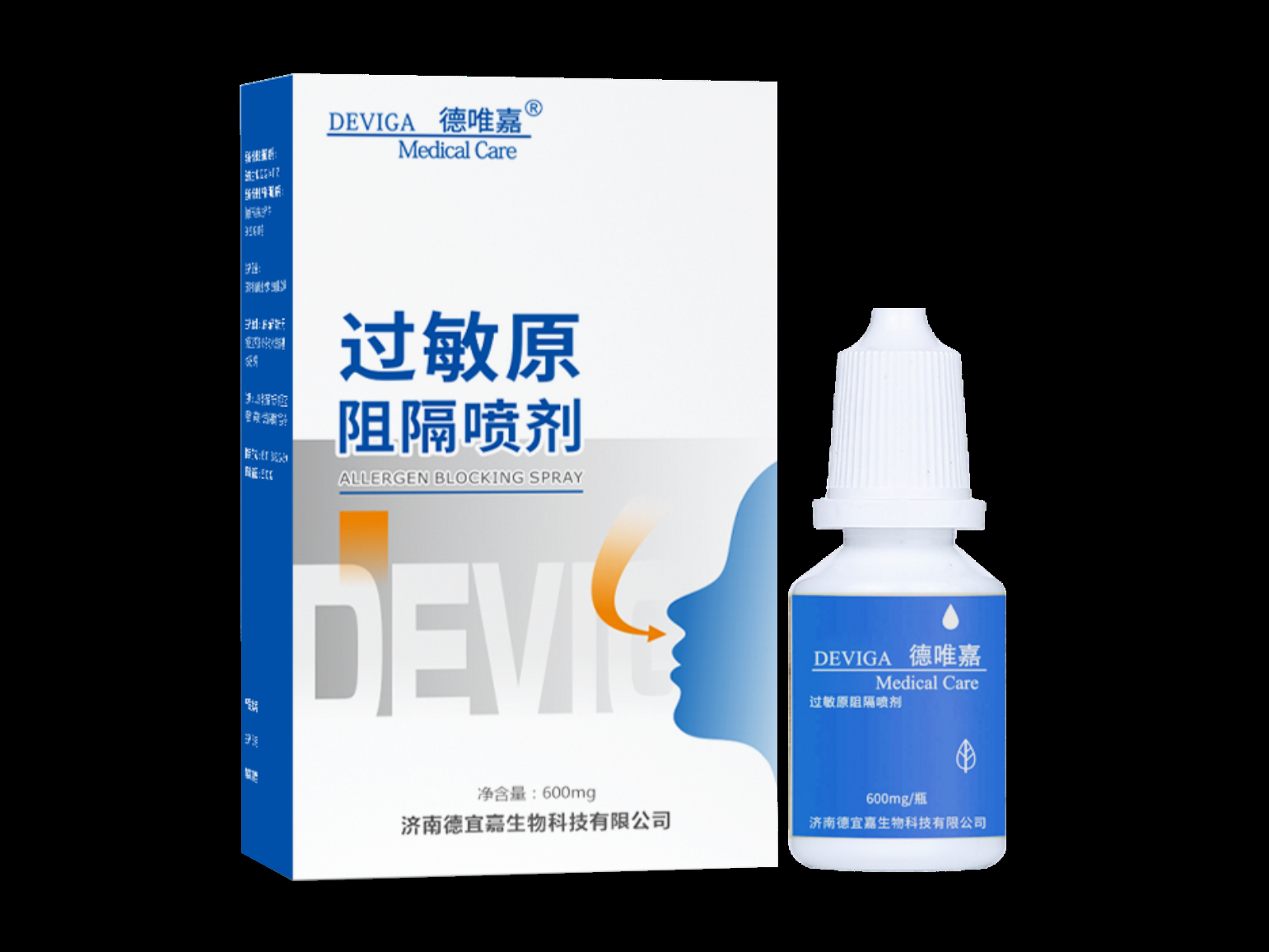
Allergen Barrier Spray
On this basis, Deweijia Allergen Barrier Spray is a powerful supplement for physical protection. It forms a gentle physical protective film on the nasal mucosa, acting like an invisible protective layer for the nose. It blocks direct contact between allergens such as pollen and nasal mucosa, inhibiting the initiation of allergic reactions at the earliest stage.
- For prevention or mild allergic rhinitis: Can be used independently 3–5 times daily to deliver effective physical protection.
- For moderate to severe allergic rhinitis: Applied alongside standard nasal medications to realise dual protection combining physical isolation and pharmacotherapy. The synergistic effect outperforms single intervention schemes.
Notably, this barrier spray adopts natural plant-derived ingredients with no pharmaceutical components. It causes no central nervous system side effects such as drowsiness. It can be safely used by children, pregnant women and lactating women, making it particularly suitable for groups requiring long-term daily protection who cannot take medicines.
Standardised Medication Is Critical
When sufficient physical protection still fails to control symptoms, standardised pharmacotherapy should be initiated in a timely manner.
- First-line medicines: Intranasal corticosteroids are the preferred treatment for allergic rhinitis. Continuous administration for 2–4 weeks is required to achieve optimal efficacy. Do not suspend or reduce dosage arbitrarily due to unnecessary fear of hormones.
- Oral antihistamines (e.g., loratadine, cetirizine) can rapidly relieve acute symptoms such as sneezing and rhinorrhoea.
- Desensitisation Therapy: For patients with confirmed pollen allergy, allergen-specific immunotherapy (sublingual or subcutaneous administration) can be conducted upon physician assessment, with a usual course of 3–5 years. It is currently the only therapy capable of altering the natural progression of allergic diseases. It induces long-term immune tolerance to specific allergens, mitigating or even eliminating allergic conditions fundamentally.
- Biologic Therapy: For patients with moderate-to-severe allergic rhinitis unresponsive to conventional medicines, biologics such as anti-IgE monoclonal antibodies may be considered under guidance of specialist physicians.
Accurate detection, scientific prevention and standardised medication are closely linked. Only by combining all three can you gain full control over allergies.
 Summer and autumn come every year, and pollen drifts seasonally. Although we cannot stop the wind, we can build a solid protective shield for ourselves.
 Breathe freely once more — the beauty of four seasons should not be disturbed by allergies.